2021-22; 2026 – Now
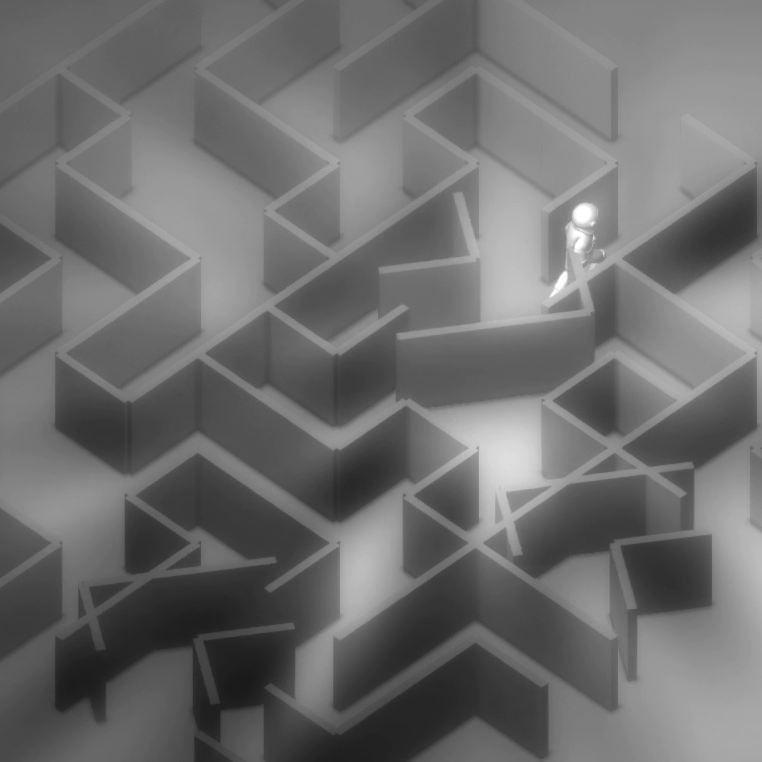
A turn-based stigmergic interactive maze as a collective of locally sensing, mutually tracing antithetic evolution-based RL agents. Local modular rotations per turn to contain, confuse and obstruct the navigator (player or another simulated RL agent), collectively, result in emergent mesoscale and global maze spatial structures.
一个回合制、基于环境痕迹协同的交互式迷宫,由一组具备局部感知能力、彼此追踪的对偶进化强化学习智能体共同构成。每回合进行的局部模块旋转,会共同围堵、迷惑并阻碍导航者(玩家或另一模拟强化学习智能体),进而涌现出中观尺度及全局层面的迷宫空间结构。
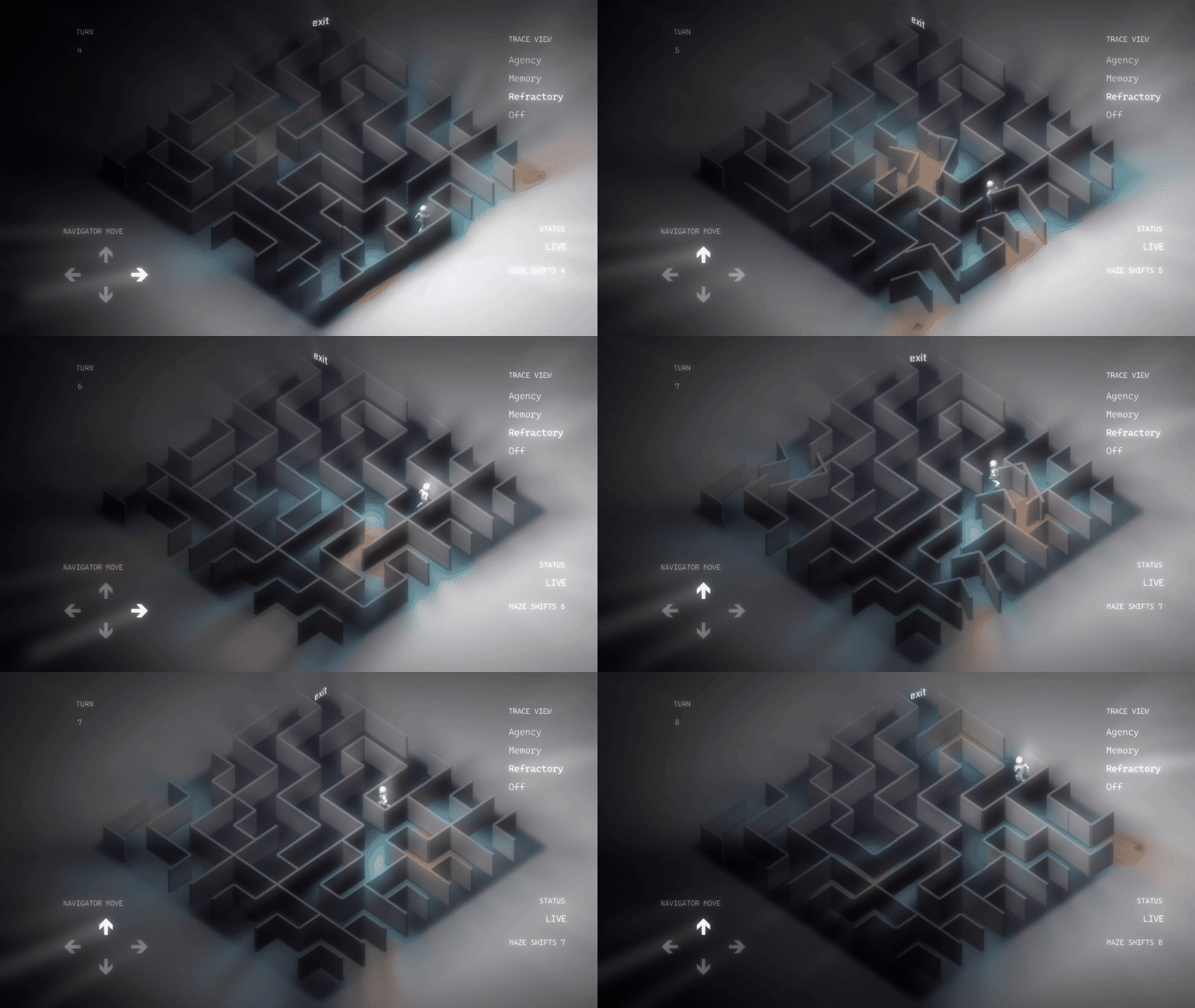
Mazes and labyrinths are always a point of interest to me and I’ve always wanted to be a maze builder like Borges writes in his Ficciones. I research, develop and implement “maze as a live spatial MARL system” where “parts move, whole to emerge” in my Moving Maze series of works since 2021 and resumed since 2026 treats a maze as a completely emergent and responsive collective creature using bottom-up local rules. Spatial formations to confuse a navigator, mazes and labyrinths possess antithetic agency and high interactive potential rather than a static architecture. A maze-centric worldbuilding can be a world of negotiated environmental agency: where the maze’s agency lies in a swarm of topologically identical agents sharing the same Reinforcement Learning policy. But due to their different positions, and different memory, their actions are not the same.
Distributed MARL: How does each agent learn and act? Stigmergy refers the mechanism where traces left by beings in an environment serve as context for other beings’ sense as context to coordinate their’s behavior, resulting in emergent behavior of a system. Stigmergy turns the environment from a backdrop in computational arts into a distributed memory and coordination substrate. None of the maze units can access a global view of the maze or even of the navigator. The maze units indirectly coordinate through traces left by their immediate neighbors. To date, I developed the system with a PyTorch RL back end connecting to a TouchDesigner audiovisual interactive world front end where the player can directly control the navigator movement.
The maze is conceived as an affective “animal” composed of identical local agents, and the player’s movement becomes a stigmergic writing process that changes the animal’s immediate and future behaviors. The novel proposition is a four-state distributed decision field: a grid whose pattern is strategically negotiated between human and machine agency. This is a brick in my long-term thought and research on environment agency (further read: “We Are Each Other’s Environment”).
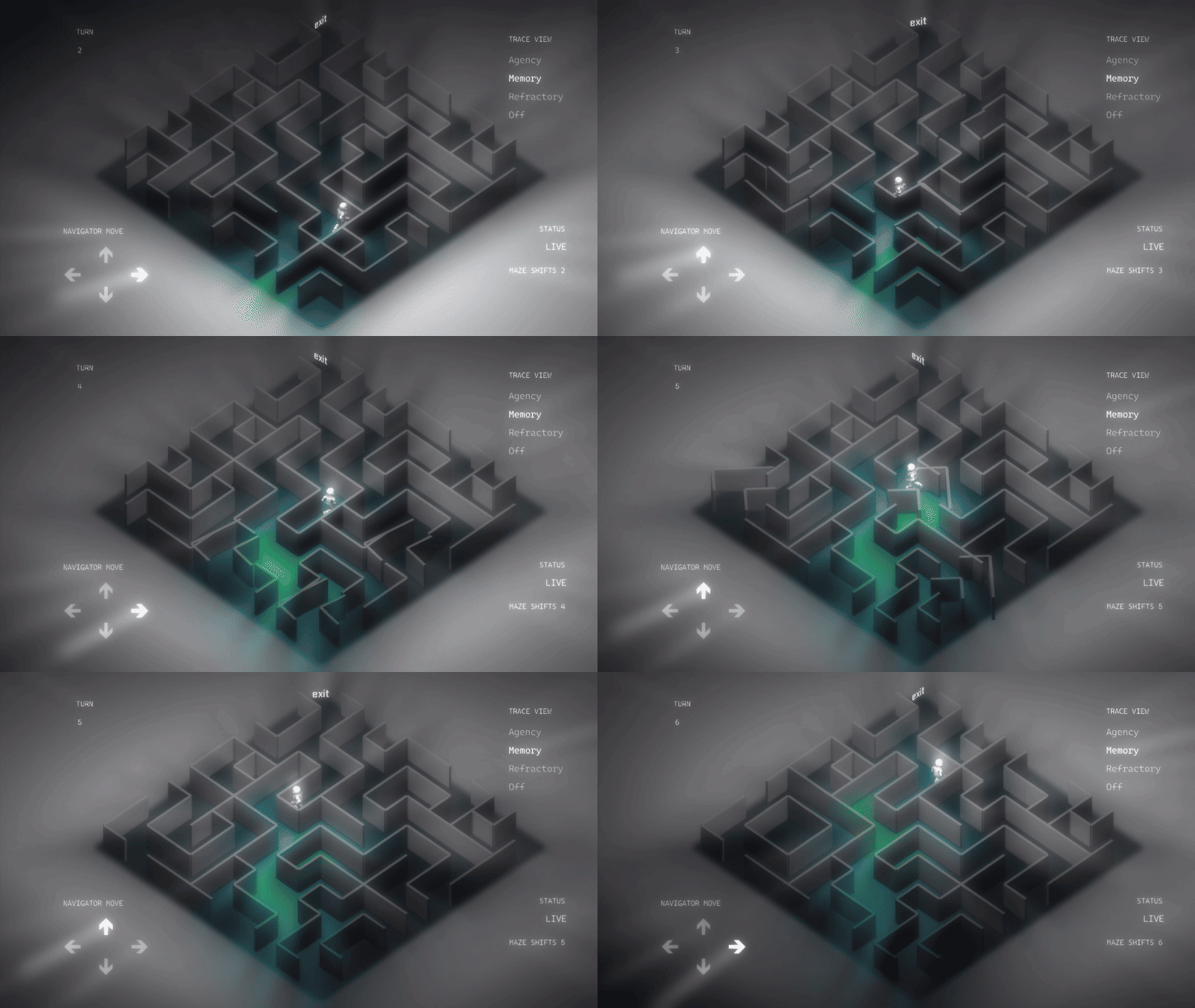
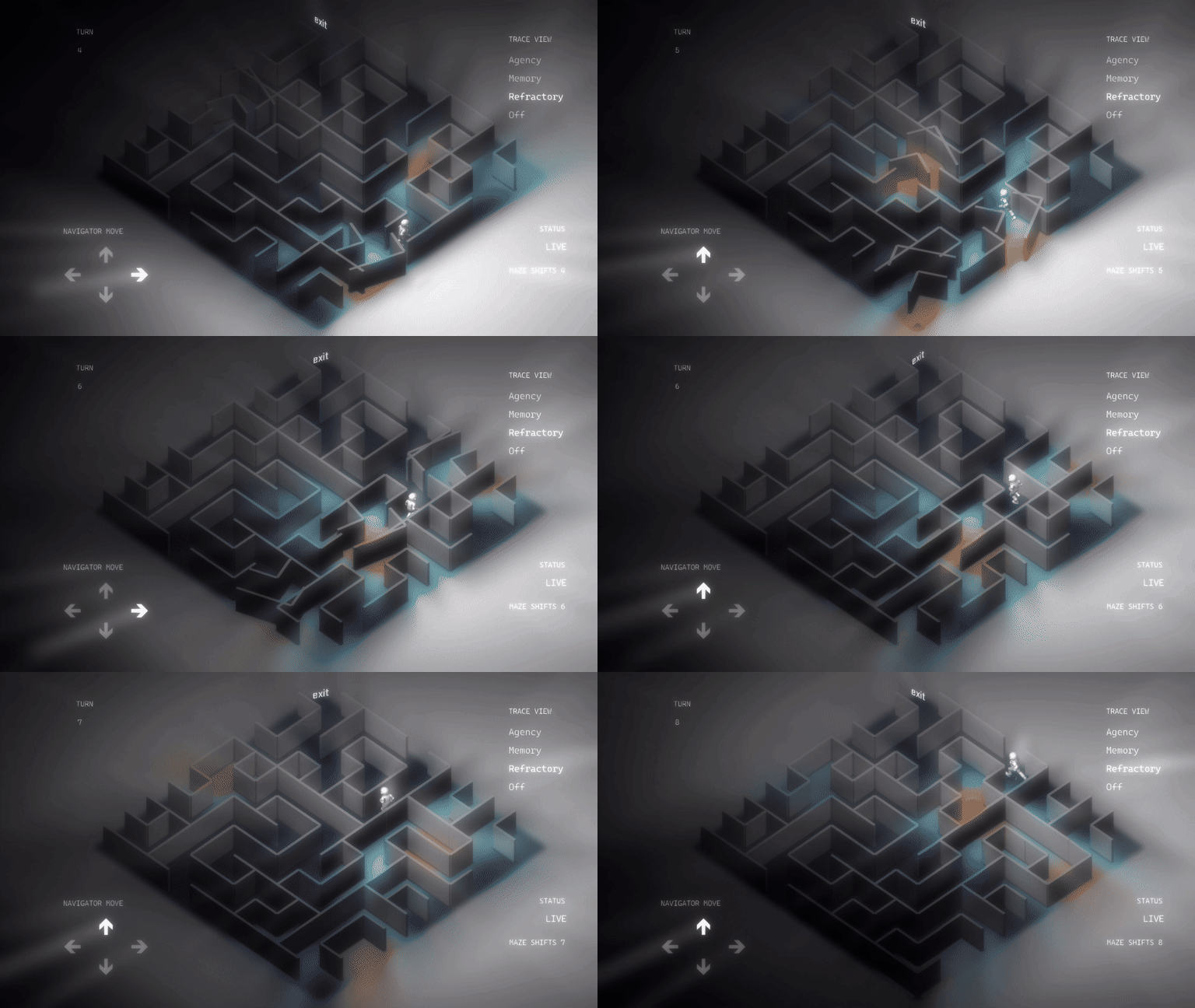
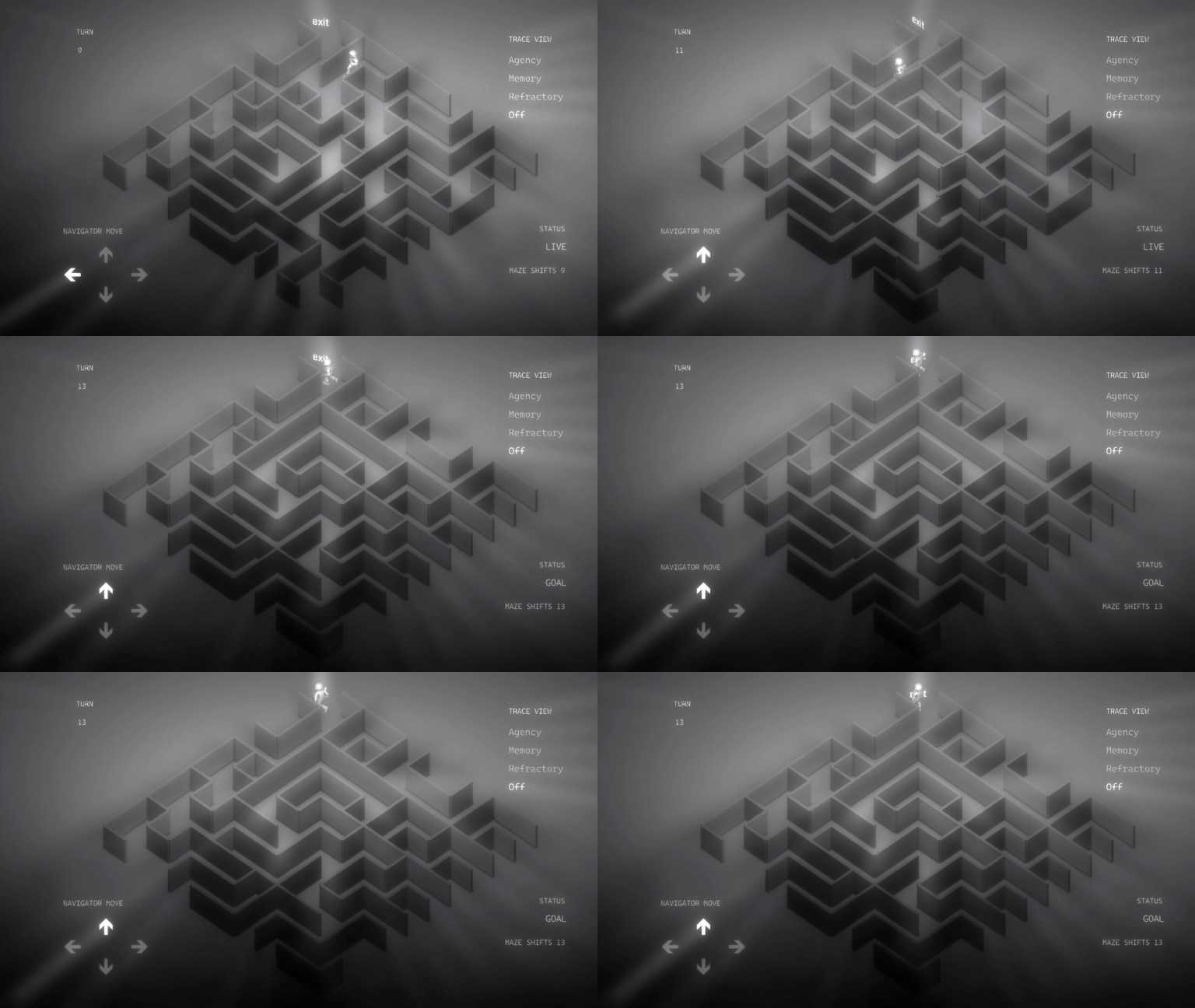
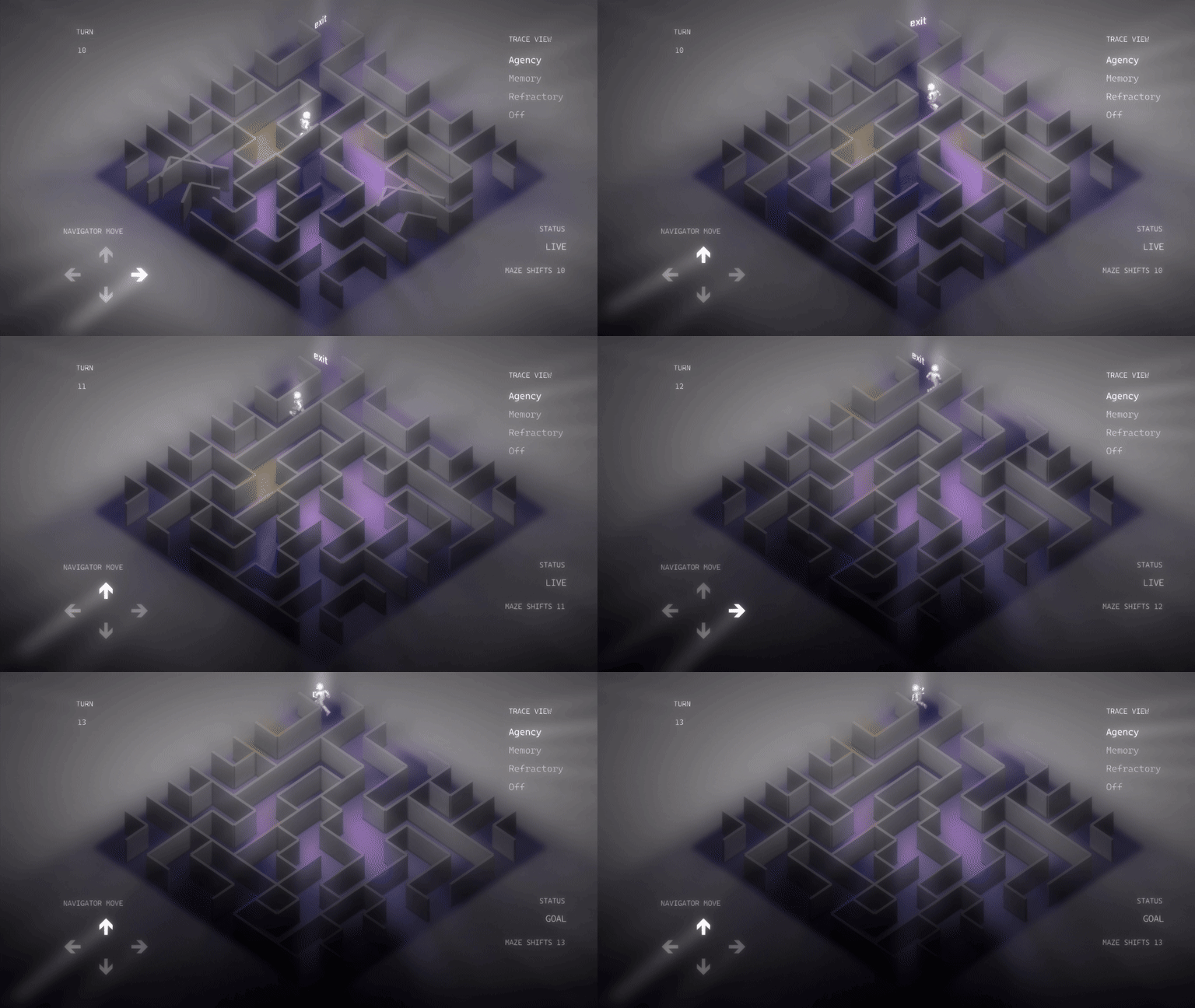
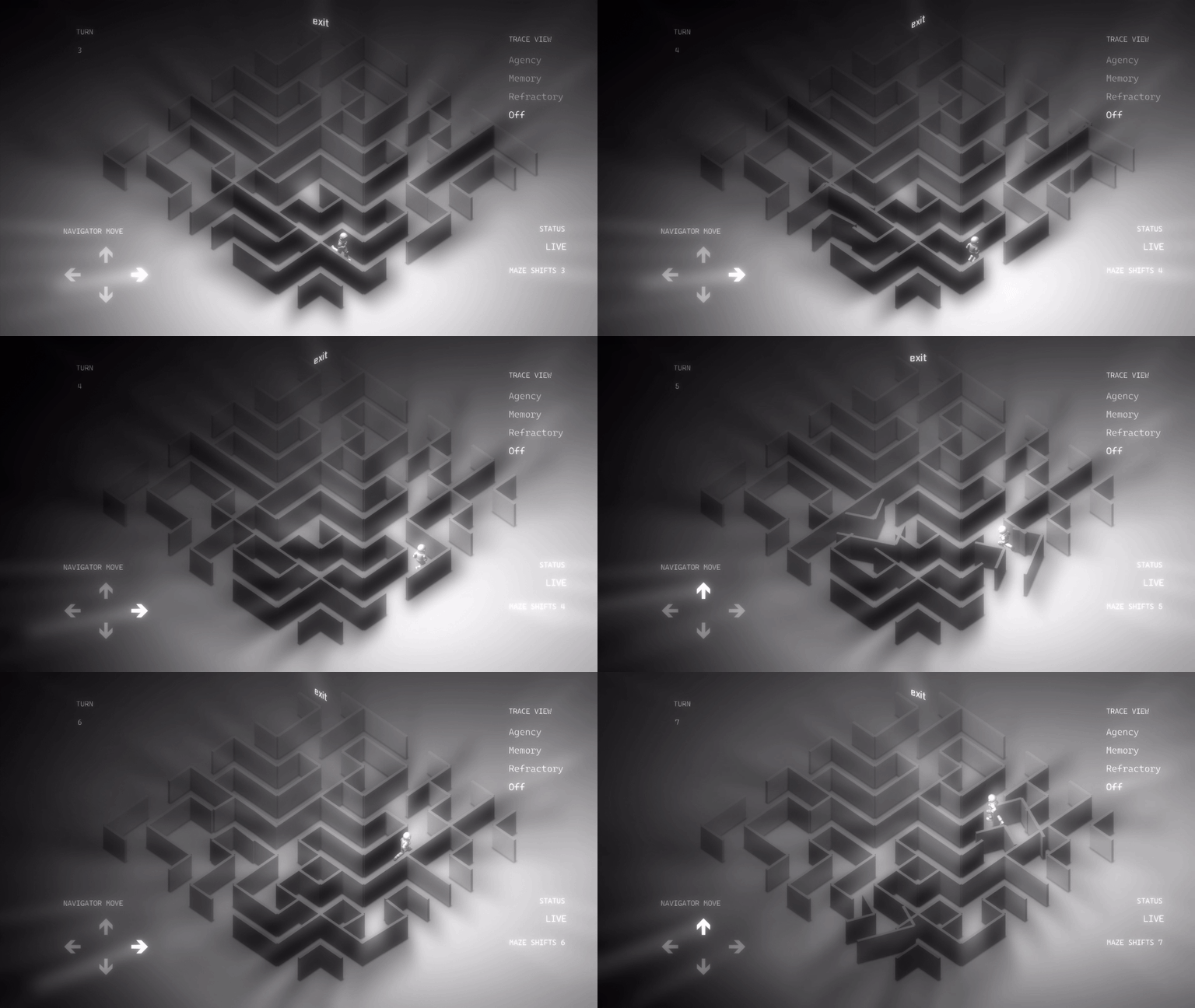
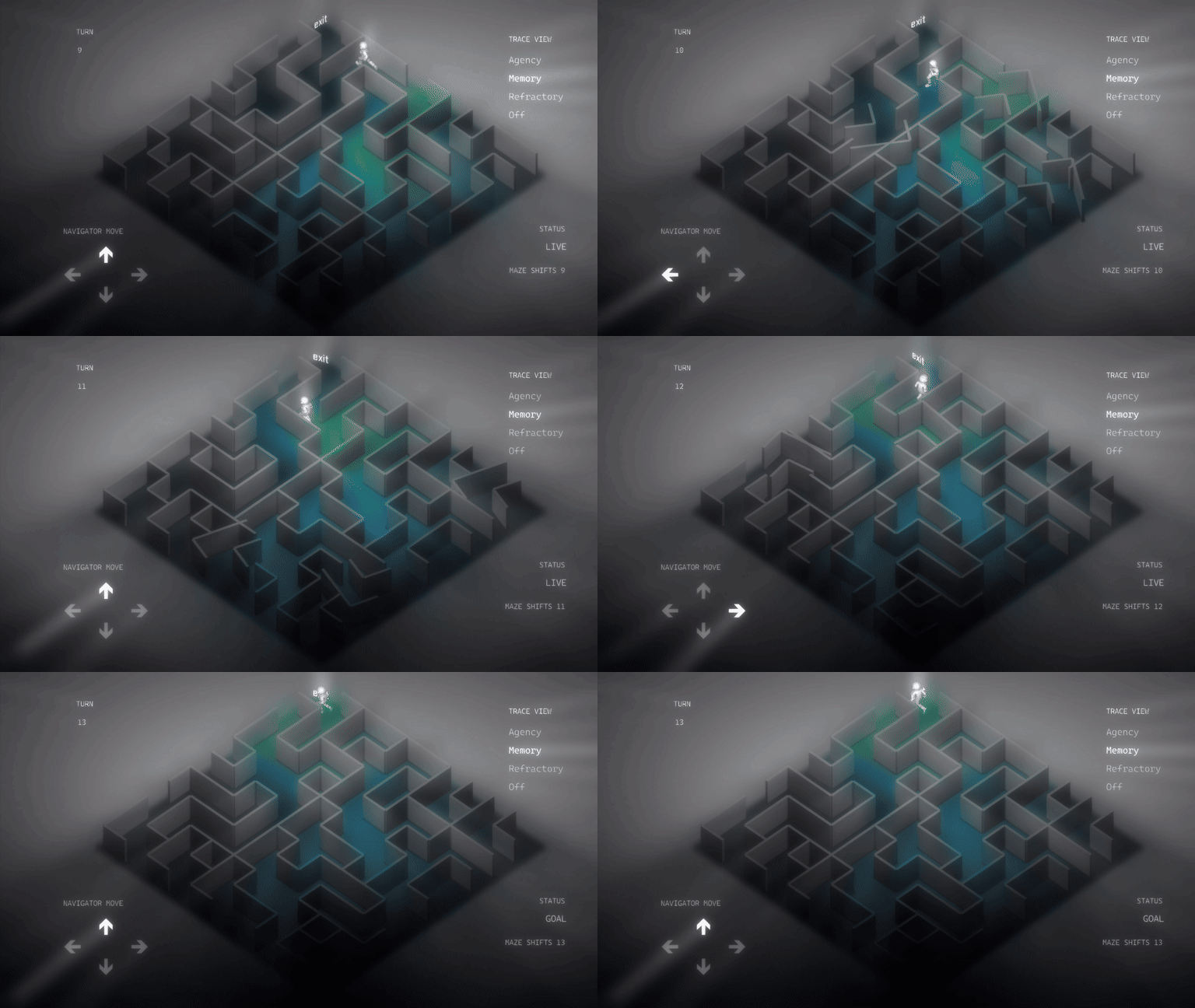



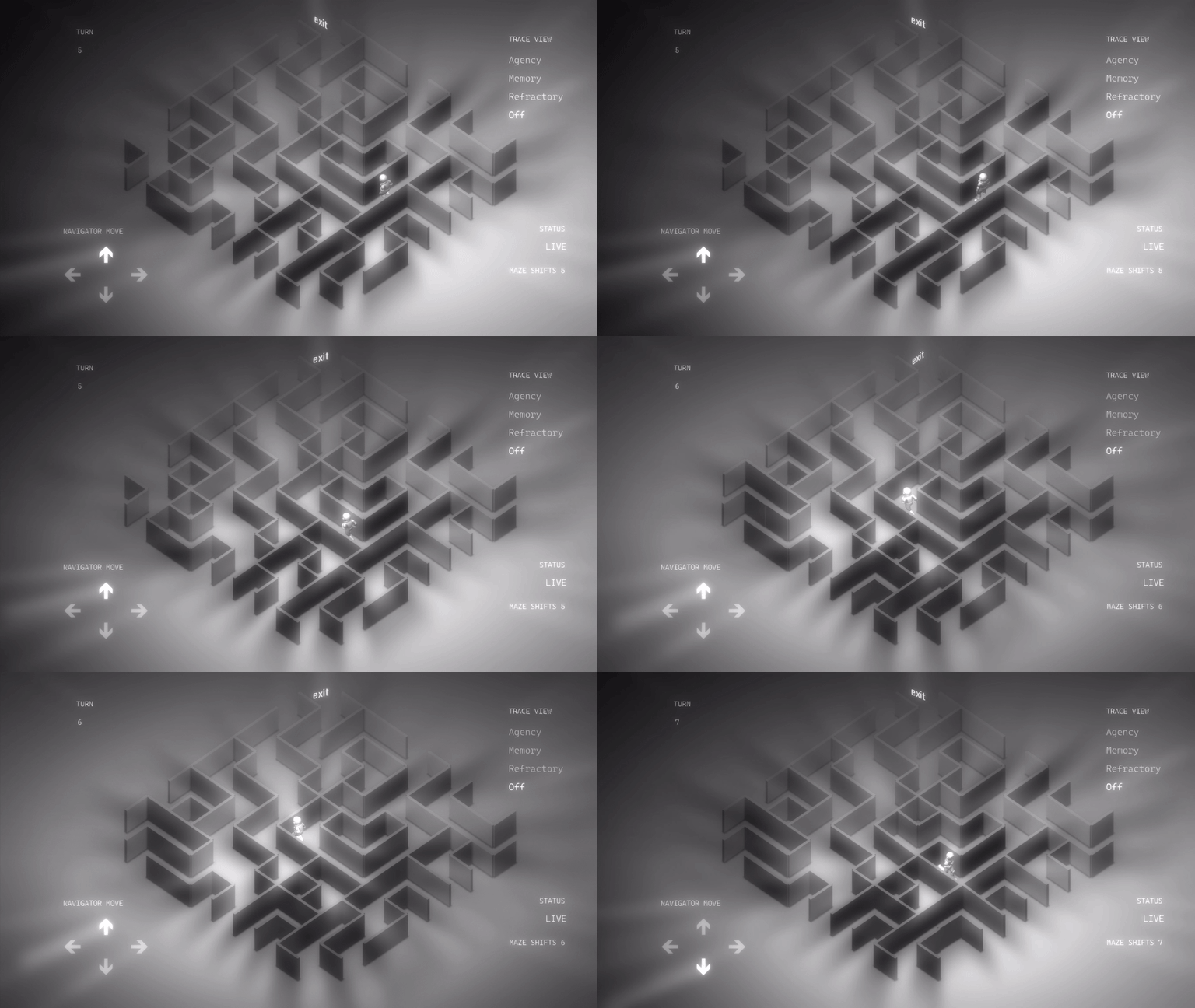
2021: research prequel: Moving Maze: From Part to Whole first brought up the proposition.
Publications: In Creativity and Cognition (C&C ’21). Association for Computing Machinery, New York, NY, USA, Article 20, 1–5. DOI:https://doi.org/10.1145/3450741.3466806.
In Proceedings of Art Machines 2: International Symposium on Machine Learning and Art 2021. School of Creative Media, City University of Hong Kong 10-14 June 2021.